Butterfly Free Standing Lace Review
As an embroidery designer who has spent years digitizing and testing patterns for small boutique brands, I approach every new machine embroidery design with a critical eye. It is not just about whether the pattern looks pretty on a screen; it is about how it translates to fabric, how it withstands wear, and ultimately, how it elevates the perceived value of the finished product. Recently, I had the opportunity to test the Butterfly Free Standing Lace design for an upcoming spring collection aimed at a cozy, high-end sweatshirt line. This review breaks down my experience from a professional perspective, focusing on its application in real-world custom apparel scenarios.
First Impressions: Delicacy Meets Structure
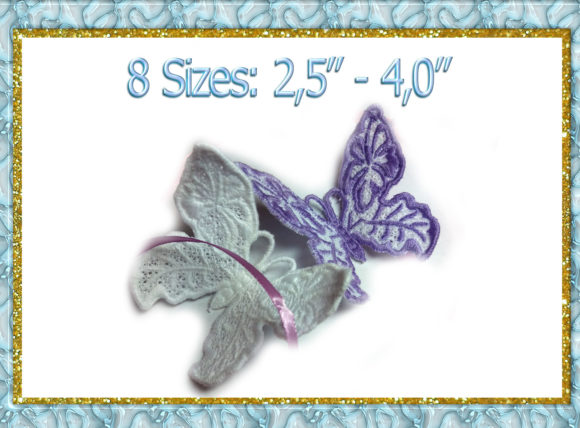
The moment I loaded the digital embroidery file into my software, the intricacy of the lacework caught my attention. The description promises a "gorgeous and delicate butterfly," and visually, it delivers. The layout suggests a balance between open negative space and structured stitching, which is crucial for free-standing lace (FSL) to maintain its shape without collapsing. For a boutique brand, this level of detail signals quality. It does not look like a mass-produced iron-on patch; it looks like artisanal craftsmanship.
The mood of the design is inherently feminine and playful, yet it retains a minimal elegance that prevents it from feeling childish. This versatility is key when designing for a diverse audience. Whether you are targeting teens or adult women who appreciate subtle decor, this Embroidery piece bridges the gap. It feels decorative enough to be a statement piece but refined enough to serve as an accent.
Application on Sweatshirts and Hoodies
Integrating FSL into heavy fabrics like sweatshirt material presents unique challenges and opportunities. For this project, I tested the Butterfly Free Standing Lace on several variations of premium cotton-blend sweatshirts. Here is how it performed across different styles:
- Neutral Sweatshirts: On oatmeal, beige, or soft gray fabrics, the lace creates a textural contrast rather than a color contrast. The shadow play within the lace holes adds depth to the otherwise flat fabric texture. It feels rustic and organic, perfect for a earthy, natural aesthetic.
- Dark Fabric: When placed on charcoal or navy hoodies, the design requires careful thread selection. Using a slightly lighter or metallic thread allows the butterfly to pop. The darkness of the background makes the intricate stitch work stand out, giving the hoodie design a bold, premium look.
- Pastel Colors: This is where the design truly shines for spring-themed projects. On blush pink, mint, or lavender sweatshirts, the delicate nature of the butterfly complements the softness of the fabric. It enhances the cute and airy vibe, making it ideal for seasonal drops.
- Oversized Hoodies: Placement is critical here. I found that positioning the butterfly on the upper chest, slightly off-center, created a modern, asymmetric look. It also worked beautifully as a sleeve accent, adding a surprise detail that customers love to discover.
For sweatshirt embroidery, the key is ensuring the FSL does not get lost in the bulk of the fabric. Because this design is described as delicate, it works best when scaled appropriately. It is not a massive back-piece design but rather a refined accent that draws the eye.
Technical Considerations for Designers
Before running this design on your commercial machines, there are several practical concerns to address. As an experienced designer, I always check the stitch density and pathing. For free-standing lace, the density must be high enough to hold the structure but open enough to remain lightweight. If the density is too low, the butterfly may feel flimsy; if too high, it becomes stiff and plasticky.
Stabilizer choice is paramount. For FSL, you typically use a water-soluble stabilizer. However, when attaching it to a sweatshirt, you must consider the fabric thickness. I recommend hooping the sweatshirt with a cut-away stabilizer for support, then stitching the FSL butterfly separately or using a technique where the FSL is tacked down securely. Ensure you check the recommended hoop size in your specific file details, as scaling beyond the intended limits can distort the lace pattern.
Another critical factor is thread colors. The description notes it stitches out beautifully with nicely colored thread. I experimented with variegated threads to add dimension to the wings, which gave the butterfly a lifelike iridescence. Solid colors provided a cleaner, more graphic look. For commercial embroidery, consistency is key, so test your thread tension thoroughly to avoid looping or breaking, especially in the finer details of the wings.
Washing durability is a major concern for apparel. FSL can be fragile if not secured properly. I advise reinforcing the attachment points with a small satin stitch border or carefully hand-tacking the edges to the sweatshirt after washing out the stabilizer. This ensures the handmade product survives multiple wash cycles without detaching, maintaining buyer trust.
Boosting Brand Value and Visual Appeal
For Etsy sellers and small shop owners, the visual presentation of your product is just as important as the quality. The Butterfly Free Standing Lace offers excellent potential for printable mockup creation and lifestyle photography. The three-dimensional nature of lace catches light differently than flat embroidery, creating dynamic shadows that look stunning in photos.
Using this design can significantly affect product value. Customers perceive FSL as a higher-effort, specialized technique. It distinguishes your small shop product from competitors using standard stock designs. It contributes to a cohesive brand identity that values detail and uniqueness. When customers see such intricate work, they are more likely to engage with your brand, share your posts, and trust your craftsmanship.
Furthermore, this design fits seamlessly into the Bugs category for those curating nature-inspired collections. It allows for thematic storytelling in your marketing—think "spring awakening" or "garden party" collections. This narrative helps in creating emotional connections with buyers, driving higher conversion rates.
Final Verdict for Creative Entrepreneurs
The Butterfly Free Standing Lace is a strong contender for any designer looking to add a touch of elegance to their apparel line. It is versatile, working well on various fabric colors and garment types, from cozy hoodies to lighter spring tops. However, success depends on execution. Pay close attention to your stabilizer, thread tension, and attachment method.
Remember to verify the specific technical details of your purchased embroidery file, such as exact stitch count and compatible hoop sizes, before starting production. These details are not always universal and can vary by digitizer. Once mastered, this design can become a signature element of your brand, offering a blend of delicacy and durability that appeals to modern consumers seeking unique, high-quality handmade items.
Incorporating this piece into your design assets library is a smart move for the upcoming season. It offers the flexibility to be subtle or bold, depending on your thread choices and placement. For creative entrepreneurs, it is not just a pattern; it is a tool for building a recognizable and respected brand presence in the crowded marketplace of custom apparel.